Dan Harrington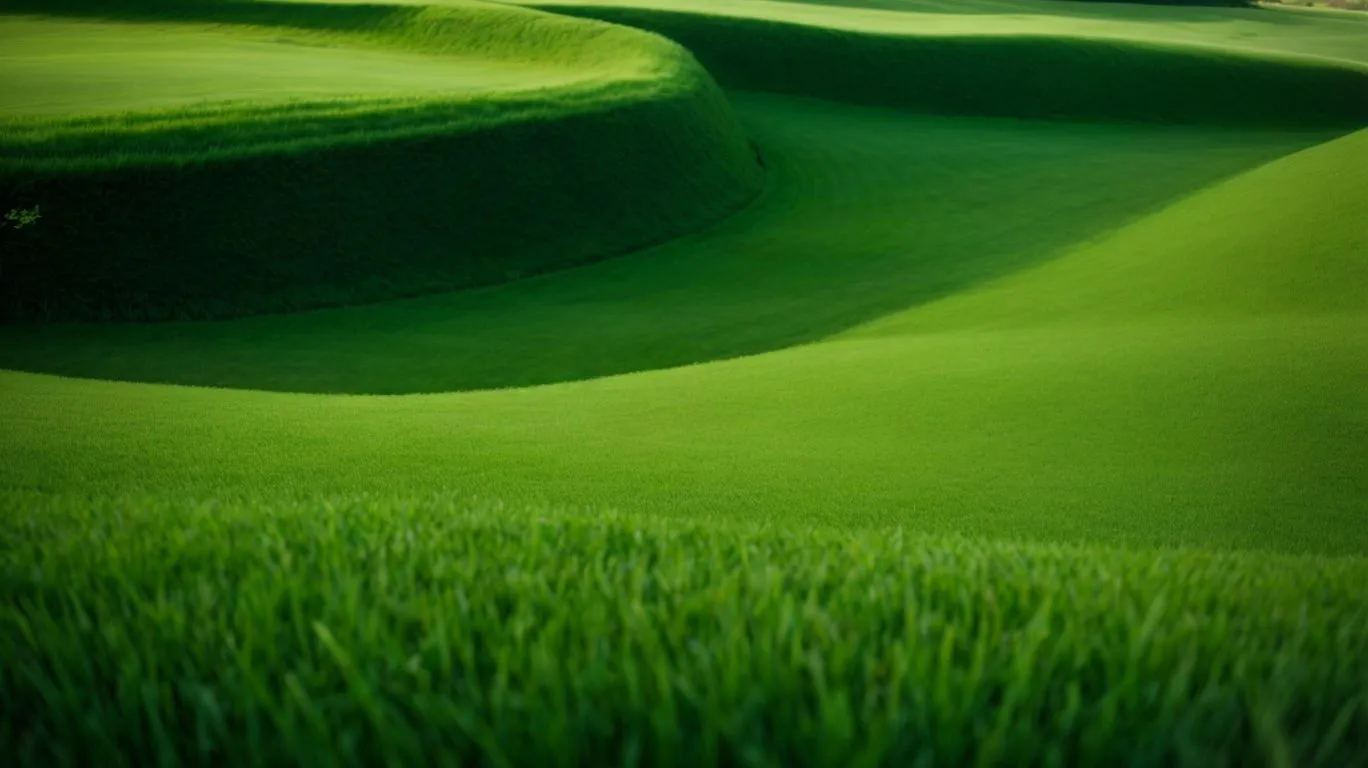
Healthy ground surfaces face constant pressure from wind, rain, and surface movement. Managed turf systems provide a natural solution by holding soil together while supporting balance within outdoor spaces. The use of turf cairns early helps stabilize loose ground, reduce wash away, and encourage steady surface strength over time through living root networks.
Natural Soil Binding
Turf develops dense root structures that grip soil particles firmly. This natural binding limits movement during heavy rain and surface flow. Over time, the roots fortify soil layers, creating a steady surface that resists erosion without artificial reinforcement or chemical support.
Reduced Surface Runoff
Living turf slows water movement across land. Instead of fast-flowing runoff, water spreads gently, allowing soil to remain settled. This reduction in water speed lowers erosion risks while supporting healthier ground conditions and improved moisture balance across treated areas.
Improved Water Absorption
Turf surfaces allow water to move downward rather than across the soil. Roots create channels that guide moisture deeper. This process reduces pooling and soil loss while helping maintain firm ground even during frequent rainfall or water exposure.
Long-Term Ground Stability
Once established, turf continues working daily to protect the soil. Root systems grow thicker with time, reinforcing ground layers. This ongoing support ensures surfaces remain secure and dependable, reducing maintenance demands and supporting lasting erosion control outcomes.
Support for Natural Balance
Turf encourages natural ground processes by allowing air, water, and organisms to interact freely. These interactions improve soil strength and structure. Balanced soil conditions reduce erosion risks while promoting steady ground performance without disruptive surface changes.
Dust And Particle Control
Bare soil releases fine particles into the air during dry conditions. Turf cover traps these particles within its structure. This control reduces surface breakdown and preserves soil quality while maintaining cleaner surrounding environments over extended periods.
Adaptability To Various Slopes
Turf can be applied on gentle slopes and uneven ground. Its flexible nature allows roots to adapt to surface changes. This adaptability ensures consistent soil hold across varied terrain shapes, reducing erosion caused by gravity and water movement.
Enhanced Visual Order
While function remains primary, turf also delivers neat ground coverage. Even surfaces reduce exposed soil patches that invite erosion. Consistent coverage encourages uniform ground pressure and supports better land care without relying on hard structural solutions.
Low Ongoing Intervention
After establishment, turf requires minimal disturbance. Less surface disruption means soil remains intact. Reduced need for repairs or reinforcement helps maintain erosion control while allowing the ground to strengthen naturally over long periods.
Sustainable Surface Protection
Turf protects living systems rather than manufactured materials. This approach limits waste and supports natural cycles. Sustainable surface coverage ensures erosion control aligns with responsible land use goals and long-term ground health.
Thoughtful land management benefits from practical choices that support stability and care. Turf-based erosion control offers a reliable path by securing soil, improving water handling, and maintaining balance. Applying this approach, where ground loss occurs, delivers effective protection while supporting natural processes and long-term surface strength using turf cairns.